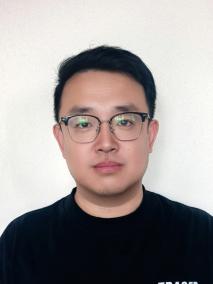
Dapeng Zhen
Regional Manager at Guangzhou ZMROBO Technology Co., Ltd., with research interests in artificial intelligence and educational robotics.

ICDM 2026 · Saturday, November 14, 2026
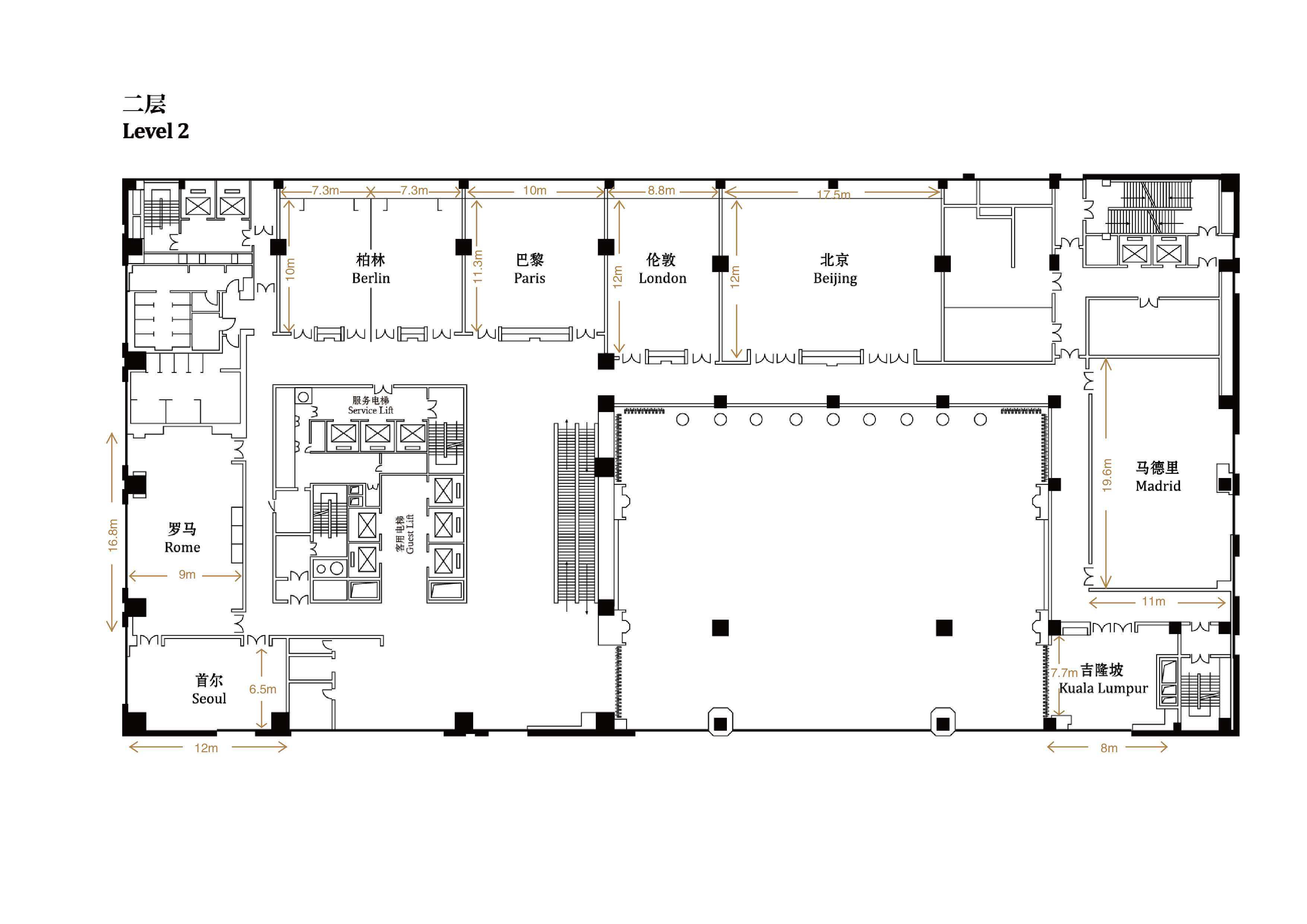
| Venue | Time | Topic | Presenter |
|---|---|---|---|
| Wanda Vista Shenyang | 08:00–08:30 | Registration & Posters Pickup | — |
| Wanda Vista ShenyangBeijing | 08:30–08:50 | Organizer & Program Introduction | Yanjie Fu, Canh V. Pham, Leixia Wang |
| 08:50–09:20 | Keynote 1 | Claudia Plant | |
| 09:20–09:50 | Keynote 2 | Raymond Chi-Wing Wong | |
| 09:50–10:00 | Attendance Certification Distribution | Claudia Plant, Raymond Chi-Wing Wong | |
| — | 10:00–10:10 | Tea Break | — |
| Wanda Vista ShenyangBeijing & Madrid | 10:10–12:10 | Poster Presentation | All Authors |
| Wanda Vista ShenyangGrand Ballroom 1 & 3 | 12:10–13:30 | Lunch | — |
| — | 13:30–14:00 | Venue Transfer | — |
| Liaoning Science and Technology MuseumDome Theater | 14:10–14:35 | Dome Theater Film | — |
| — | 14:35–14:45 | Intra-venue Transfer & Break | — |
| Liaoning Science and Technology MuseumMeeting Room 4, 3rd Floor | 14:45–16:45 | AI Hands-on Workshop (Teenagers Only) | Dapeng Zhen, Bing Wei |
| 16:45–17:00 | Announcement of the Award Recipients & Close | Tiancheng Liu, Fei Ding |
Poster Presentation: All authors are expected to present their posters simultaneously during the morning session. Please bring a laptop or other device for demonstrations.
Dome Theater Film: Teenagers are welcome to watch the film with their accompanying parents or guardians.
AI Hands-on Workshop: This activity is for teenagers only. Parents or guardians may explore the museum during the session. Each participant must bring a laptop.
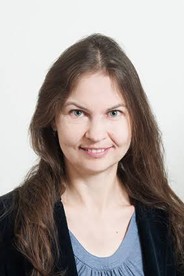
University of Vienna, Austria · General Chair of ICDM 2026
Title: Clustering: My Journey in Data Mining Research
Abstract: How to find a natural grouping of a real data set with an unknown number of clusters which may be contaminated with noise? This question marked the beginning of my exciting journey into data mining research, and it continues to occupy me to this day. Starting with the basic K-Means algorithm, this talk will introduce ideas for clustering high-dimensional, complex, and noisy data. I will also illustrate my personal journey, from my first ICDM paper in 2004 to my current position as a professor, General Co-Chair of ICDM and leader of an awesome research group working on clustering and representation learning. I will also offer advice to young researchers on how to find their path, stay on it, enjoy the journey and ultimately turn their passion for data mining research into a profession.
Biography: Claudia Plant is full professor for Computer Science at the University of Vienna, Austria, where she heads the Research Group Data Mining and Machine Learning and the Research Network Data Science @ UniVie. She also serves as General Chair of ICDM 2026. Her research focuses on discovering patterns and knowledge in large and complex datasets, with particular interests in clustering, representation learning, information-theoretic data mining, deep learning and methods for analyzing graphs, time series, and heterogeneous data. Her work includes applications in biomedicine, neuroscience, and environmental science. Before joining the University of Vienna in 2016, she held research positions at the Technical University of Munich, Florida State University, and Helmholtz Zentrum München.
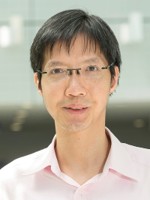
Hong Kong University of Science and Technology (HKUST)
Title: Experience Sharing: How to Conduct Research – Understanding Contributions
Abstract: In this talk, I will share my own experience on how to conduct research. There are a lot of important elements for conducting research. The first element is understanding contributions. You have to know that what you did for research is really regarded as an important contribution by international researchers in the field. The second element is presentation. It is very important to express your new ideas clearly to researchers in the world. The third element is reading, which is a way to understand the literature well. The fourth element is topic finding, which helps you identify your own topic you should work on. The fifth element is technical skills, which help you develop novel and interesting methods for the topic that you are working on. In this talk, we focus on the first element — understanding contributions.
Biography: Raymond Chi-Wing Wong is a Professor in the Department of Computer Science and Engineering at the Hong Kong University of Science and Technology (HKUST). He also serves as Associate Head of the Department and Director of the Undergraduate Research Opportunities Program (UROP). He received his BSc, MPhil, and PhD degrees in Computer Science and Engineering from the Chinese University of Hong Kong in 2002, 2004, and 2008, respectively. His research interests include databases and data mining. His work has received Best Paper Awards at ICDE 2024 and MDM 2024, and he has also received recognition for his teaching and contributions to undergraduate research.
AI vision is one of the most widely used applications of artificial intelligence, with applications ranging from face recognition and object detection to intelligent monitoring and autonomous driving. This workshop introduces the fundamentals of AI visual recognition in an accessible way, helping students understand how AI cameras work and how machine vision differs from human vision. Participants will then work hands-on with AI cameras, connecting the devices to computers, configuring the software, and building basic image-recognition projects through real-time image capture and object recognition. Combining clear explanations with guided group practice, the workshop is designed for high school students with no prior AI experience and aims to develop their practical skills, logical thinking, and interest in technological innovation.
Regional Manager at Guangzhou ZMROBO Technology Co., Ltd., with research interests in artificial intelligence and educational robotics.
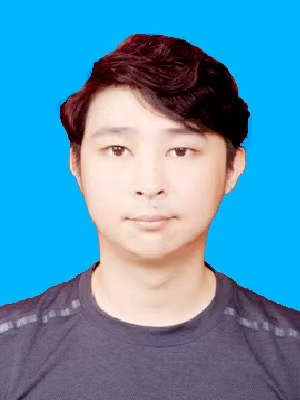
Teacher at Liaoning Province Shiyan High School, with research interests in science and technology education.
Founded in 2002, Guangzhou ZMROBO Technology Co., Ltd. specializes in STEAM education, educational robotics, and artificial intelligence. The company provides educational robotics hardware and software, curriculum solutions, and customized services for students from primary school to university. Through hands-on building and creative exploration, ZMROBO aims to make robotics and AI more accessible to young learners and inspire their curiosity, creativity, and interest in technology.
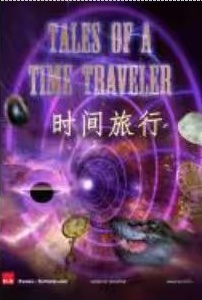
Time travel is an extraordinary adventure beyond imagination! Explore ancient civilizations, witness the birth of the universe, and journey to the edge of a black hole. Through this film, discover how difficult it is to define and understand time. Time is elusive and impossible to grasp—and something no one can truly possess.
Format: 8K Duration: 23 minutes Language: Chinese
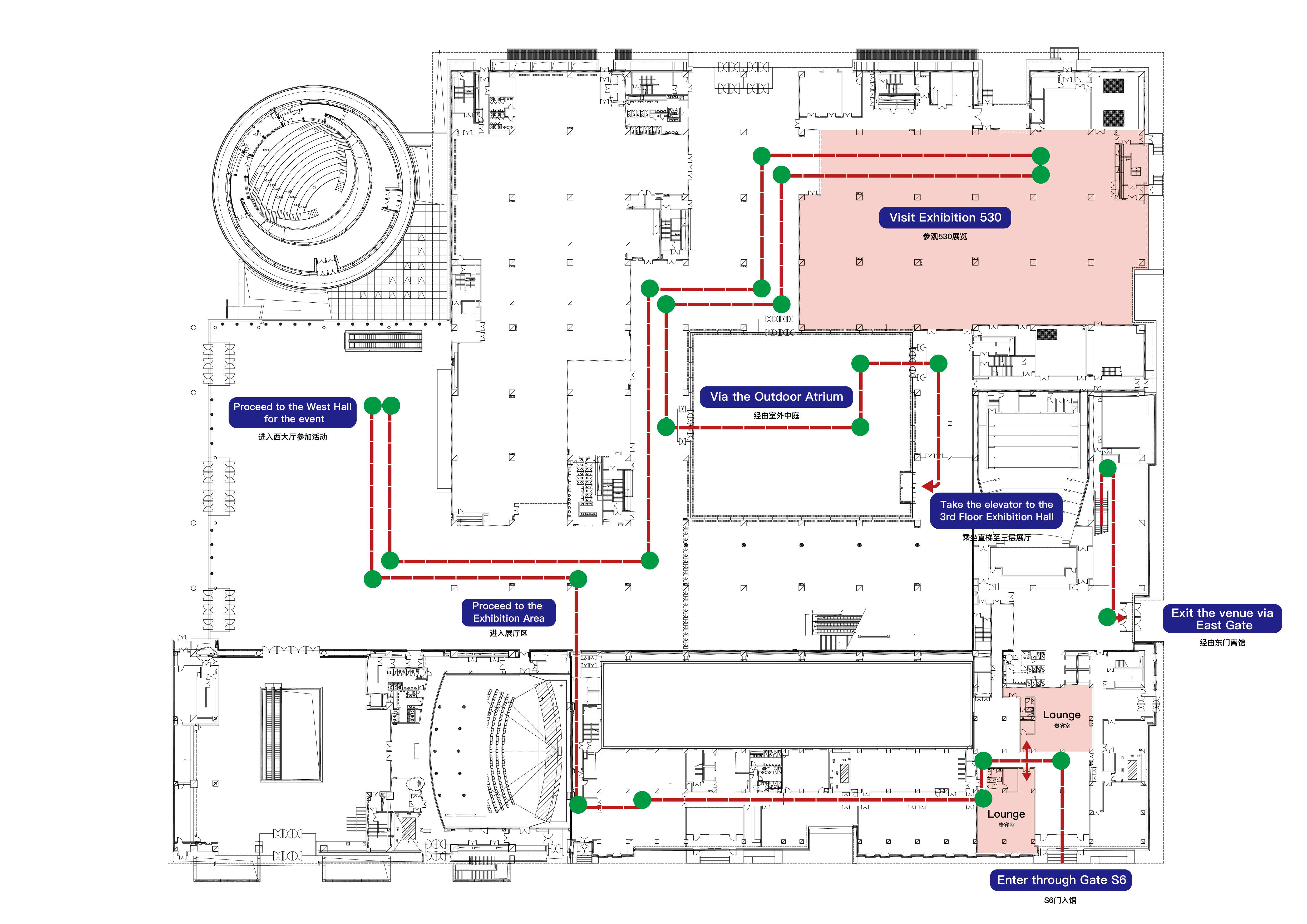
Latest Venue Arrangements: Morning sessions and lunch at Wanda Vista Shenyang; afternoon activities at the Liaoning Science and Technology Museum.
Wanda Vista Shenyang: 17-5 Yingpan West Street, Shenyang.
Liaoning Science and Technology Museum: 159 Zhihui 3rd Street, Hunnan District, Shenyang.
Accompanying parents or guardians must bring their ID cards (or passports for international visitors) for entry to the exhibition hall. Students are not required to present identification.
Bus transportation: Buses will depart from Wanda Vista Shenyang at 13:30 for the Liaoning Science and Technology Museum. The return buses will depart from the museum at 17:20. Please board on time. Boarding details and updates will be shared during the conference via Whova and the WeChat and WhatsApp groups.