Keynote Speeches
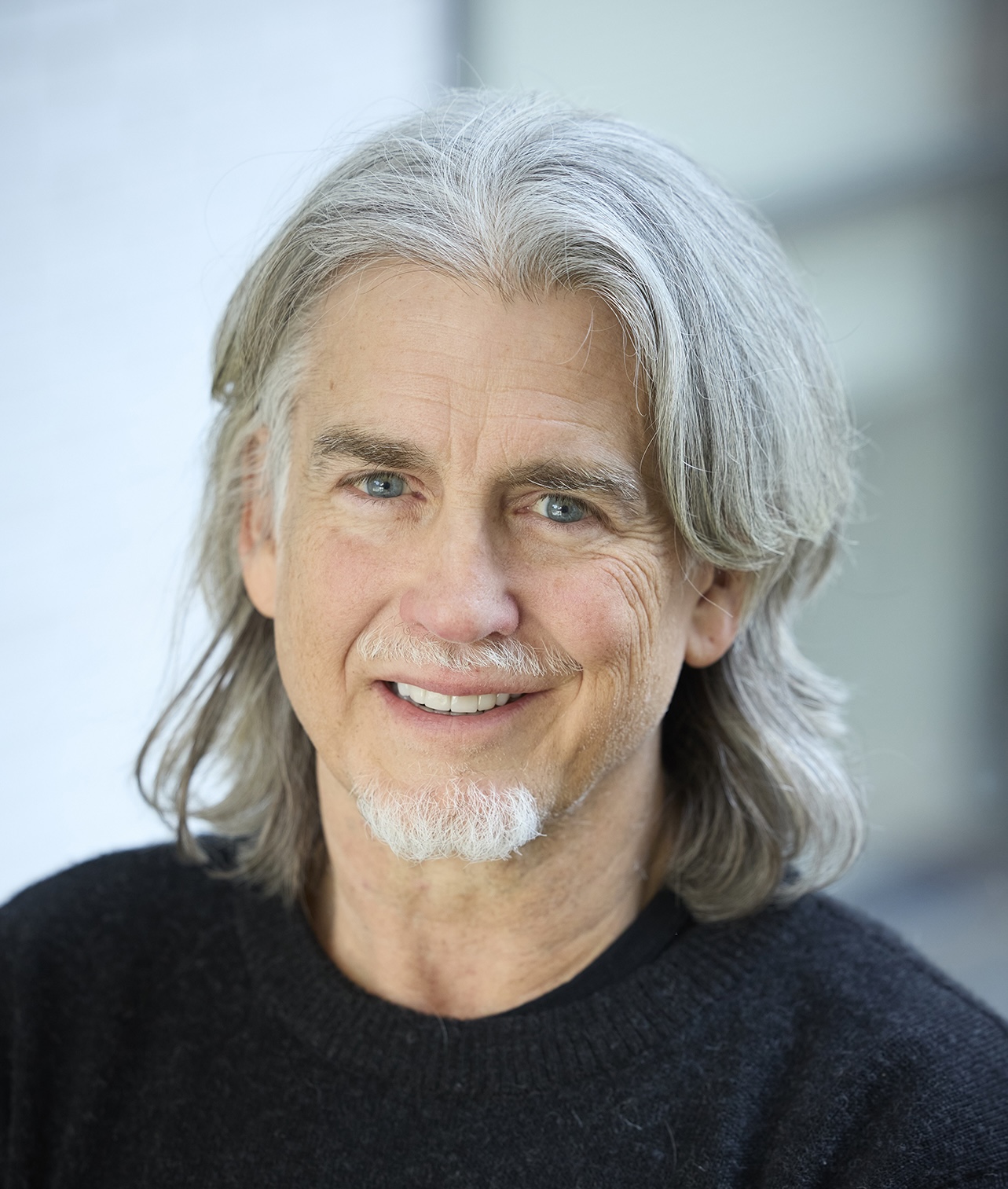
John Quackenbush
Professor
Departments of Pediatrics and Human Genetics, University of Chicago, Harvard TH Chan School of Public Health, and Channing Division of Network Medicine of Brigham and Women’s Hospital
Click photo for full info
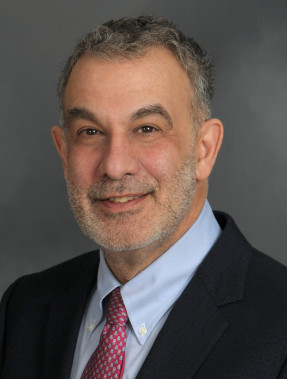
Joel Saltz
Professor
Department of Biomedical Informatics,
School of Medicine and College of Engineering and Applied Sciences,
Stony Brook University
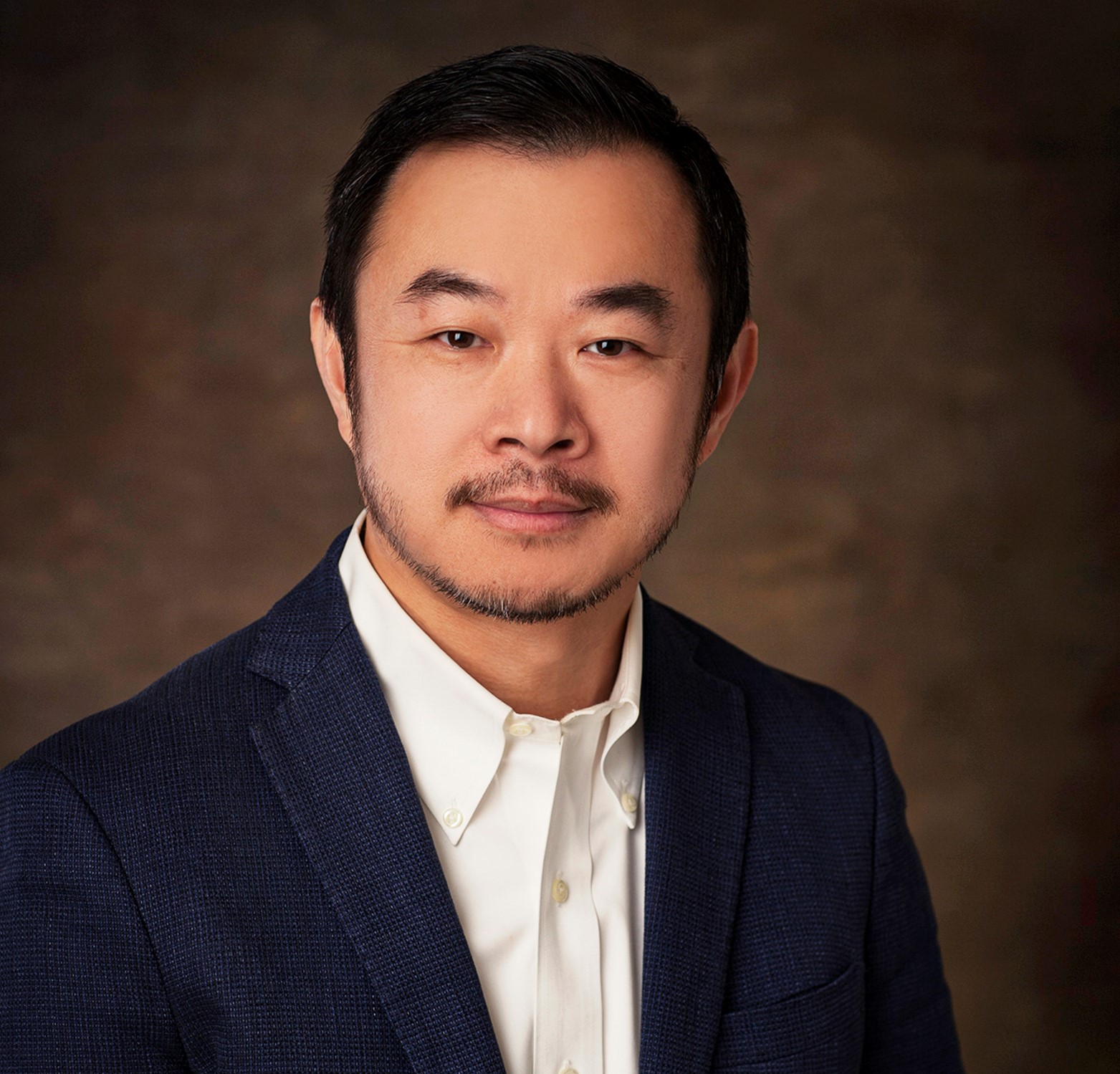
Eric Xing
President
of Mohamed bin Zayed University of Artificial Intelligence,
and also Professor of Carnegie Mellon University
Redefining Models of Health and Disease through Network Science
John Quackenbush, Professor, Departments of Pediatrics and Human Genetics, University of Chicago, Harvard TH Chan School of Public Health, and Channing Division of Network Medicine of Brigham and Women’s Hospital
Abstract: One of the central tenets of biology is that our genetics—our genotype—influences the physical characteristics we manifest—our phenotype. But with more than 25,000 human genes and more than 6,000,000 common genetic variants mapped in our genome, finding associations between our genotype and phenotype is an ongoing challenge. Indeed, genome-wide association studies have found thousands of small effect size genetic variants that are associated with phenotypic traits and disease. The simplest explanation is that genes and genetic variants work together in complex regulatory networks that help define phenotypes and mediate phenotypic transitions. We have found that the networks, and their structure, provide unique insight into how genetic elements interact with each other and the structure of the network has predictive power for identifying critical processes in health and disease and for identifying potential therapeutic targets. However, estimating the drivers of disease phenotypes or predicting therapies that might be useful is tremendously challenging—if not computationally intractable. Drawing inspiration from Wolpert and MacReady’s “No Free Lunch Theorem for Optimization,” we have found that biologically motivated constraints can help guide inference of biologically interpretable in scalable ways that provide meaningful insight into functional changes that can drive cancers and other complex diseases as well as how they are influenced by factors that include biological sex and age. Most importantly, the perspective enabled by this approach allows us to move beyond genetic variants alone to include regulatory controllers as major drivers of disease and health.
John Quackenbush is Professor of Pediatrics and Human Genetics in the Division of Biological Sciences and the program in AI and Biological Complexity at the University of Chicago, a member of the University of Chicago Comprehensive Cancer Center, and Professor Emeritus at the Harvard T.H. Chan School of Public Health. John’s PhD was in Theoretical Physics, but a fellowship to work on the Human Genome Project led him through the Salk Institute, Stanford University, The Institute for Genomic Research (TIGR), Harvard in 2005, and UChicago in 2026. John’s research uses massive data to probe how many small genetic and other effects combine to influence our health and risk of disease. Key to his approach is modeling gene regulatory networks and understanding how these networks change between health and disease, over time, as a function of sex and gender, and between individuals. His more than 350 published papers have more than 106,000 citations, and his “NetZoo” software tools have tens of thousands of downloads. Among his honors is recognition in 2013 as a White House Open Science Champion of Change. In 2012, he founded Genospace, a precision medicine software company that was sold to Hospital Corporation of America in 2017. In 2022, he was elected to the National Academy of Medicine.